

What to Do If You Are Pulled Over for Suspected DWI in New York
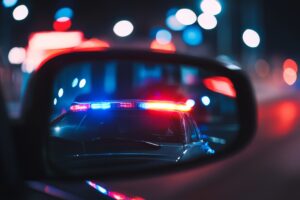
Being pulled over by the police is stressful under any circumstance, but it can be especially intimidating if the officer suspects you of driving while intoxicated (DWI). In New York, DWI charges carry serious consequences, including driver’s license suspension, fines, and possible jail time. What you do and say during a traffic stop can have a significant impact on what happens next. Understanding your rights and responsibilities can help protect you and avoid making a difficult situation worse.
At Dupée & Monroe, P.C., we regularly represent clients charged with DWI throughout Orange County and the Hudson Valley. Below is an overview of what to expect during a suspected DWI stop and how to handle it carefully and lawfully. Contact our office for personalized advice or immediate assistance from a skilled and experienced Goshen DWI defense attorney.
What to Do When Stopped by the Police
When you see police lights behind you, you should pull over promptly and safely. Use your turn signal, slow down, and stop in a well-lit area if possible. Abrupt or evasive behavior can raise suspicion and may later be cited as evidence of impairment. Once stopped, remain in your vehicle unless the officer instructs you otherwise, and keep your hands visible on the steering wheel.
When the officer approaches, they will likely ask for your license, registration, and proof of insurance. You are required to provide these documents. You should be polite and cooperative, but it is important to remember that you are not required to answer questions about where you were, whether you have been drinking, or how much alcohol you consumed. These questions are designed to gather evidence. You have the right to politely decline to answer by saying something like, “I prefer not to answer any questions.”
During the stop, the officer may observe your speech, coordination, and overall demeanor. Simple things such as fumbling with paperwork, slurred speech, or the smell of alcohol may be noted in the police report. While you should not argue or become confrontational, it is wise to limit unnecessary conversation that could be misinterpreted or used against you later.
The officer may ask you to step out of the vehicle and perform field sobriety tests, such as walking in a straight line or standing on one leg. In New York, these tests are voluntary. You are not legally required to perform them, and declining to do so does not carry automatic penalties. These tests are subjective and often difficult to perform even when sober, particularly on uneven pavement or in poor weather conditions. Many DWI arrests are based heavily on these tests, which is why defense attorneys often advise against taking them.
You may also be asked to take a roadside breath test using a portable breathalyzer. This test is also generally voluntary in New York and is not the same as the chemical breath test administered at the police station. Refusing a roadside breath test does not carry the same immediate penalties as refusing a chemical test, though the officer may still arrest you based on other observations.
If you are arrested and taken to the police station, the situation changes. At that point, you will likely be asked to submit to a chemical test of your breath, blood, or urine. Under New York’s implied consent law, drivers are deemed to have consented to chemical testing. Refusing this test can result in an automatic license revocation and additional civil penalties, regardless of whether you are ultimately convicted of DWI. The decision to submit or refuse is serious and can have long-term consequences, so it is important to understand that refusal is a separate issue from guilt or innocence.
After an Arrest
After arrest, you have the right to remain silent and the right to an attorney. You should clearly state that you wish to speak with a lawyer and then refrain from answering further questions. Do not attempt to explain yourself or “talk your way out” of the situation. Statements made after arrest are often used as evidence and may harm your defense.
Once released, it is critical to contact a criminal defense attorney as soon as possible. DWI cases move quickly, especially when it comes to license suspensions and court deadlines. An attorney can review whether the traffic stop was lawful, whether the arresting officer followed proper procedures, and whether the testing methods were reliable. Early legal intervention can make a substantial difference in the outcome of your case.
At Dupée & Monroe, P.C., we help clients at every stage of a DWI case, from the initial arrest through court proceedings and license hearings. We understand how local courts in Goshen, Orange County, and throughout the Hudson Valley handle these cases, and we know how to identify weaknesses in the prosecution’s evidence and negotiate or litigate for a positive outcome. Whether this is your first offense or you are facing enhanced penalties, we work to protect your rights and pursue the best possible resolution.
Contact Our Goshen DWI Defense Lawyers Today
Being pulled over for suspected DWI does not mean you are guilty. How you handle the situation—and the legal guidance you receive afterward—can have a lasting impact on your future. If you or a loved one has been arrested for DWI in New York, contact Dupée & Monroe, P.C. for a no-cost consultation. We are here to answer your questions, explain your options, and provide the experienced defense you need during a challenging time.
