
Common Evidence Mistakes After a Slip, Trip, or Fall Accident
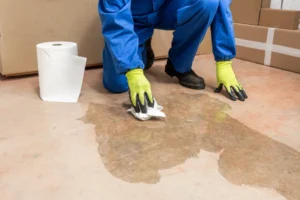 Slip, trip, and fall accidents are among the most common causes of serious injuries in New York. These incidents occur in grocery stores, apartment complexes, parking lots, restaurants, office buildings, and countless other properties throughout Orange County and the Hudson Valley. While some falls result in relatively minor injuries, others can lead to fractures, traumatic brain injuries, spinal injuries, and long-term mobility problems.
One of the most challenging aspects of a slip and fall case is proving what caused the accident. Property owners and insurance companies often dispute liability, arguing that the hazard did not exist, that the condition was obvious, or that the injured person was responsible for the fall. Because dangerous conditions can disappear quickly, such as spilled liquids being cleaned up or ice melting, evidence must be preserved as soon as possible.
At Dupée & Monroe, P.C., our Goshen premises liability lawyers regularly see cases where valid claims become more difficult to prove because critical evidence was not documented early enough. Understanding the most common evidence mistakes after a slip, trip, or fall accident can help protect your ability to pursue compensation.
Failing to Photograph the Hazard
One of the most damaging evidence gaps in a premises liability case is the absence of photographs showing the condition that caused the fall. Unlike motor vehicle accidents, where vehicles and damage remain visible, slip and fall hazards often disappear within minutes or hours. A spill may be cleaned up, a broken step repaired, or snow and ice cleared away.
Photographs taken immediately after the accident can provide powerful documentation of the dangerous condition. Images showing the hazard itself, the surrounding area, lighting conditions, warning signs (or lack thereof), and the general layout of the premises help establish exactly what the injured person encountered. Without visual evidence, cases may rely heavily on witness recollections or property owner records, which can be incomplete or disputed.
Waiting Too Long to Report the Accident
Another common mistake is delaying the report of the accident to the property owner or manager. When an incident is not reported promptly, businesses and insurers sometimes argue that the fall did not happen on the property or that the condition developed after the injured person left the scene. Reporting the accident immediately creates a contemporaneous record. Many businesses generate incident reports that document the location, time, and circumstances of the fall. While these reports may be prepared by the property owner, they still establish that an incident occurred and can help identify witnesses and employees who were present.
Not Identifying Witnesses
Witness testimony can play an important role in premises liability claims, particularly when the dangerous condition was visible to others or had existed for some time. Unfortunately, injured individuals often leave the scene without collecting contact information from people who saw the fall or noticed the hazard beforehand. Witnesses may confirm that a spill had been present for an extended period, that no warning signs were posted, or that other customers had complained about the condition earlier. These details can strengthen a claim by showing that the property owner had actual or constructive notice of the hazard.
Incomplete Medical Documentation
Medical evidence is central to any personal injury claim. A significant mistake occurs when injured individuals delay medical treatment or fail to describe the accident clearly to healthcare providers. Gaps in treatment or incomplete records can create questions about whether the injuries were caused by the fall. Prompt medical evaluation not only protects a person’s health but also establishes an official record linking the injuries to the accident. Medical records should accurately describe how the fall occurred, the symptoms experienced, and any limitations on daily activities.
Overlooking Surveillance Footage
Many commercial properties use surveillance cameras that may capture the fall or the dangerous condition that caused it. However, these recordings are often automatically overwritten after a short period of time, sometimes within days. If surveillance footage exists, it must be requested quickly before it is lost. Early legal intervention can help ensure that property owners preserve relevant video evidence that might otherwise disappear.
Posting About the Accident on Social Media
Another mistake that can harm a slip and fall claim is discussing the accident on social media. Insurance companies routinely review public posts to look for statements or images that appear inconsistent with an injury claim. Even casual comments or photographs taken out of context may be used to challenge credibility. Limiting online discussion of the accident and focusing on medical recovery is generally the safest approach while a claim is pending.
Preserving Evidence After a Slip or Fall Accident
Taking proactive steps after an accident can significantly strengthen a premises liability claim. If you are physically able, documenting the scene, reporting the incident, and obtaining medical care should be priorities. Keeping copies of medical records, receipts for out-of-pocket expenses, and communications with insurance companies can also help establish the full scope of damages. In addition, maintaining a record of symptoms, pain levels, and activity limitations may provide valuable context regarding how the injury has affected daily life.
Because evidence can disappear quickly, consulting an experienced personal injury attorney early in the process is often beneficial. Legal counsel can help identify potential sources of proof, preserve surveillance footage, and investigate whether the property owner had notice of the dangerous condition.
Frequently Asked Questions About Slip and Fall Evidence
What evidence is most important in a slip and fall case?
Photographs of the hazard, surveillance footage, witness statements, incident reports, and medical records are among the most important types of evidence in a premises liability claim.
Do I still have a claim if there are no photographs of the hazard?
While photographs are helpful, claims can still be supported through witness testimony, maintenance records, surveillance footage, and other evidence showing that a dangerous condition existed.
How long do businesses keep surveillance video after an accident?
Retention periods vary widely. Some systems overwrite footage within days or weeks, which is why it is important to request preservation of video evidence as soon as possible.
Should I give a statement to the property owner’s insurance company?
It is advisable to speak with an attorney before providing a recorded statement. Insurance companies may use statements to minimize or dispute claims.
How long do I have to file a slip and fall lawsuit in New York?
In most cases, the statute of limitations for personal injury claims in New York is three years, although shorter deadlines may apply when government entities are involved.
Contact Dupée & Monroe, P.C. for Help After a Slip, Trip, or Fall Accident in Goshen and Orange County
Slip and fall cases often depend on evidence that can disappear quickly if it is not preserved. At Dupée & Monroe, P.C., we represent injury victims throughout Goshen, Orange County, and the Hudson Valley, and we understand how to investigate premises liability claims and protect critical evidence. If you or a loved one has been injured in a slip, trip, or fall accident, contact Dupée & Monroe, P.C. today for a free consultation. Our attorneys are ready to evaluate your case, explain your rights, and pursue the compensation you deserve.
