

Civil Asset Forfeiture & Krimstock Hearings in New York
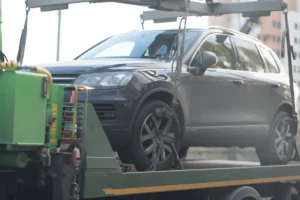 When someone is arrested in New York, the consequences can extend beyond criminal charges. In certain cases, law enforcement may seize personal property, most commonly a vehicle, allegedly connected to criminal activity. This process is known as civil asset forfeiture. For many people, the loss of a vehicle can create immediate hardship, affecting employment, family responsibilities, and daily life.
At Dupée & Monroe, P.C., our Goshen criminal defense attorneys regularly assist clients in Orange County and throughout the Hudson Valley facing both criminal charges and related property seizures. Understanding how civil forfeiture works and how to challenge it through a Krimstock hearing is critical to protecting your rights and your property.
What Is Civil Asset Forfeiture in New York?
Civil asset forfeiture allows law enforcement agencies to seize property they believe was used in, or obtained through, criminal activity. Unlike criminal penalties, forfeiture proceedings are civil in nature. This means the case is brought against the property itself, not just the person accused of wrongdoing.
Vehicles are the most frequently seized assets in these cases, particularly in situations involving:
- Driving while intoxicated (DWI)
- Drug-related offenses
- Allegations of using a vehicle to facilitate a crime
- Repeat driving offenses, such as aggravated unlicensed operation
Importantly, property can be seized even before a criminal conviction occurs. In some cases, property may be held for months while the underlying criminal case is pending.
How Vehicle Seizure Typically Happens
After an arrest, law enforcement may determine that a vehicle was used in connection with the alleged offense. The vehicle is then impounded, and the owner is notified that the government intends to seek forfeiture.
From that point forward, two parallel legal tracks may develop:
- The criminal case, which determines guilt or innocence
- The civil forfeiture case, which determines whether the property will be permanently taken
These proceedings are legally distinct, meaning a person could theoretically avoid a criminal conviction but still face challenges recovering their property.
What Is a Krimstock Hearing?
A Krimstock hearing is a critical early step in challenging the seizure of a vehicle in New York. Named after a landmark court decision, this hearing is designed to determine whether the government has a valid basis to continue holding the property while the forfeiture case proceeds.
The purpose of a Krimstock hearing is not to decide whether the property will ultimately be forfeited. Instead, it addresses whether the seizure should remain in place during the legal process.
What Happens at a Krimstock Hearing?
At a Krimstock hearing, the burden is on the government to justify continued possession of the vehicle. To do so, they must generally establish three key points:
- That there was probable cause for the arrest
- That the vehicle is subject to forfeiture (i.e., it was used in connection with a crime)
- That continued retention of the vehicle is necessary (for example, to prevent loss, destruction, or further illegal use)
The defense has the opportunity to challenge each of these elements. This may involve questioning the legality of the stop or arrest, disputing the connection between the vehicle and the alleged offense, or demonstrating that the owner has a legitimate need for the vehicle and is not likely to misuse it.
If the court finds that the government has not met its burden, the vehicle may be ordered returned while the forfeiture case continues.
Why Krimstock Hearings Matter
For many individuals, a vehicle is essential for commuting to work, transporting family members, or meeting daily obligations. Waiting months for a forfeiture case to resolve can create serious hardship. A successful Krimstock hearing can result in the return of the vehicle early in the process, even if the criminal case is still pending. This makes the hearing a powerful tool for minimizing disruption and protecting property rights.
Defending Against Civil Asset Forfeiture
Fighting forfeiture requires a strategic approach that addresses both procedural and substantive issues. Some of the most effective defense strategies include:
- Challenging the legality of the initial stop or seizure. If law enforcement lacked probable cause, both the criminal case and the forfeiture action may be undermined.
- Disputing the alleged connection between the property and criminal activity. The government must show that the property was used in a meaningful way to facilitate the offense.
- Demonstrating innocent ownership. In some cases, the owner of the vehicle was not the person accused of wrongdoing. Innocent owners may have strong grounds to recover their property.
- Highlighting hardship and lack of necessity. At the Krimstock stage, showing that continued retention of the vehicle is unnecessary and burdensome can support its return.
Each case is fact-specific, and the success of these arguments depends on careful legal analysis and effective advocacy.
The Relationship Between Criminal Cases and Forfeiture
Although civil forfeiture and criminal cases are separate, they often influence one another. Evidence developed in the criminal case may be used in the forfeiture proceeding, and the outcome of one case can affect strategy in the other. For example, a dismissal or acquittal in the criminal case can strengthen arguments against forfeiture. However, it does not automatically guarantee the return of property. Conversely, a conviction may make it easier for the government to pursue forfeiture. Because of this interplay, it is important to coordinate defense strategies across both proceedings.
Long-Term Consequences of Forfeiture
Losing a vehicle or other property through forfeiture can have lasting consequences. Beyond the immediate financial loss, it can affect employment, credit, and overall financial stability. For individuals already facing criminal charges, these additional burdens can make recovery even more difficult. Taking early action to challenge forfeiture is often the best way to avoid these long-term consequences.
Why Legal Representation Is Critical
Civil forfeiture cases involve complex legal standards and procedural rules that differ from traditional criminal defense. At the same time, they are closely tied to the underlying criminal charges.
An experienced defense attorney can:
- Request and prepare for a Krimstock hearing
- Challenge the legality of the seizure
- Develop evidence to support the return of the property
- Coordinate strategy with the criminal defense case
- Advocate for dismissal or settlement of the forfeiture action
Without legal representation, individuals may miss critical deadlines or fail to present the evidence necessary to recover their property.
Frequently Asked Questions About Civil Asset Forfeiture & Krimstock Hearings
What is a Krimstock hearing in New York?
A Krimstock hearing is a court proceeding that determines whether the government can continue holding a seized vehicle while a forfeiture case is pending.
How quickly can I request a Krimstock hearing?
You should request a hearing as soon as possible after the seizure. Delays can prolong the time your vehicle is held.
Can I get my car back before my criminal case is finished?
Yes. If you win at a Krimstock hearing, the court may order the return of your vehicle while the case continues.
Do I lose my property automatically if I’m convicted?
Not automatically, but a conviction can strengthen the government’s forfeiture case. You still have the right to challenge it.
What if I wasn’t the one driving the vehicle?
You may be able to assert an innocent owner defense if you did not know or consent to the alleged illegal use of your property.
Contact Dupée & Monroe, P.C. for Help Protecting Your Liberty and Property
Civil asset forfeiture can feel like an additional punishment layered on top of criminal charges. Losing your vehicle or other property can disrupt your life long before your case is resolved. The sooner you act, the better your chances of recovering what has been taken.
Dupée & Monroe, P.C., in Goshen represents clients throughout Orange County and the Hudson Valley in both criminal defense and related forfeiture proceedings. We understand how to challenge seizures, advocate at Krimstock hearings, and protect your rights at every stage.
If your vehicle or property has been seized, contact Dupée & Monroe, P.C., today for a complimentary consultation and take the first step toward getting it back.
