

Construction Zone Vehicle Accidents: Liability and Injury Claims in New York
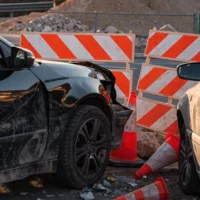 Construction zones create hazards for drivers, but the danger does not come only from narrowed lanes, uneven pavement, or confusing detours. Construction trucks, heavy equipment, contractor vehicles, and vehicles entering or leaving work sites can create serious collision risks. When one of these vehicles causes a crash, determining who is responsible can be more complicated than in a typical car accident.
At Dupée & Monroe, P.C., our Goshen construction zone car accident lawyers help injured people understand their options after serious accidents in Orange County and New York’s mid-Hudson Valley. A collision involving a construction vehicle can raise questions about driver negligence, contractor safety procedures, vehicle maintenance, and the responsibilities of companies managing a worksite. Identifying the source of the danger is an important step toward pursuing compensation.
How Construction Zone Vehicle Accidents Happen
Construction-related vehicle collisions can occur on public roads, at highway work zones, near commercial building projects, or where contractors move vehicles between a worksite and surrounding streets. The vehicles involved range from dump trucks and cement mixers to pickup trucks, utility trucks, excavators, and other heavy equipment.
Some crashes happen when a construction vehicle enters traffic without enough clearance, turns across an occupied lane, backs into a roadway, or changes lanes without checking blind spots. Large vehicles have substantial blind areas, and their size and weight can make it difficult to stop or maneuver quickly. A truck carrying gravel, asphalt, soil, or construction materials can also become unstable if its load is improperly secured or distributed.
Other collisions involve work vehicles stopped or moving slowly near active traffic. A driver may strike a maintenance truck parked partly in a travel lane, or a contractor vehicle may pull out from behind barriers with limited visibility. On busy roads, motorists may have little time to react when a work vehicle unexpectedly enters their path.
Construction site traffic can also create hazards away from the main work area. Trucks frequently use temporary access roads, cross sidewalks, turn into staging areas, and travel along routes shared with ordinary traffic. Poorly positioned entrances, inadequate warnings, or unsafe traffic-control arrangements can contribute to collisions.
New York emphasizes slowing down and moving over when safely possible around stopped vehicles, including construction and maintenance vehicles. That obligation is important, but it does not automatically make the ordinary motorist responsible for every collision near a worksite. The conduct of the construction vehicle operator and the companies responsible for the work must also be examined.
Why These Collisions Present Different Legal Challenges
In an ordinary two-car crash, the central questions often involve how each driver behaved immediately before impact. Construction zone vehicle accidents can require a much broader investigation. For example, a dump truck might pull into traffic from a construction entrance and collide with a passing car. The truck driver’s actions matter, but investigators might also need to determine whether the contractor established a safe entrance, whether sightlines were obstructed by stored materials, whether a spotter should have been present, and whether the vehicle was being operated according to applicable safety procedures.
A collision involving a company-owned vehicle also raises questions about employment and business relationships. Was the driver working for a general contractor, a subcontractor, a trucking company, or a separate hauling service? Was the driver performing assigned duties at the time? Did another company control the vehicle or the particular operation?
These distinctions matter because more than one party can share responsibility. Depending on the evidence, a claim might involve the driver, the driver’s employer, the vehicle owner, a contractor, a subcontractor, or another business responsible for the operation that created the hazard. A public entity responsible for the roadway could also be relevant in certain circumstances.
However, a contractor’s involvement does not automatically make that company liable. A claim must connect the defendant’s own negligence or other legally recognized responsibility to the collision and resulting injuries.
Who Can Be Held Responsible for a Construction Vehicle Crash?
The construction vehicle operator is one potential defendant. Like other motorists, a driver must use reasonable care, maintain proper control, observe surrounding traffic, and maneuver safely. Negligent reversing, unsafe turning, distracted driving, speeding, or failure to yield can support a claim when those actions cause a crash.
An employer or vehicle owner may also be responsible in appropriate circumstances. For example, an employer can face liability for an employee’s negligence when the employee was acting within the scope of employment. Separate evidence of negligent hiring, training, supervision, inspection, or maintenance could also matter if that conduct contributed to the accident.
General contractors and subcontractors require a more fact-specific analysis. A contractor that directs vehicle movements, manages a worksite entrance, or establishes traffic-control procedures could be implicated if an unsafe arrangement contributed to the collision. Other contractors may have responsibilities involving equipment, hauling operations, or the movement of materials.
Claims involving roadway construction can also require review of applicable regulations, traffic-control requirements, and contract responsibilities. New York Industrial Code § 23-1.29, for example, addresses protection of workers performing construction, demolition, or excavation near public vehicular traffic. Whether a particular rule supports a claim depends on the circumstances, the injured person’s status, and the legal requirements for applying that rule.
It is important not to assume that every construction-related statute applies to an injured motorist. Some provisions are designed to protect construction workers, while other traffic rules and ordinary negligence principles can be relevant to claims brought by members of the public.
Evidence Is Especially Important at Construction Sites
Construction sites change quickly. Vehicles are moved, materials are cleared, barriers are repositioned, and temporary traffic patterns can disappear when a project progresses. That makes prompt evidence preservation especially valuable.
Photographs and video can show the position of the vehicles, the construction entrance, lane markings, warning signs, barriers, lighting, and any obstructions that affected visibility. Dashcam footage, nearby business surveillance, traffic cameras, and vehicle-mounted camera systems may help establish how the collision occurred. Because some recordings are overwritten or retained for limited periods, requests to preserve them should be made promptly.
Witnesses can provide important information about vehicle movements, traffic signals, flaggers, and what happened immediately before impact. Investigators may also need the police report, vehicle inspection records, driver employment records, worksite traffic plans, maintenance documentation, and relevant contractor records.
In serious or disputed cases, an accident reconstruction expert may analyze vehicle damage, impact locations, braking evidence, photographs, roadway geometry, and other physical evidence. The expert can help evaluate competing accounts of the crash and explain how the collision likely unfolded.
Injured people should seek medical attention and keep records of treatment, symptoms, missed work, and limitations on daily activities. Some injuries become more apparent in the hours or days after a collision. Consistent medical documentation can help connect the injuries to the crash and establish the extent of the losses.
Insurance Coverage Can Involve Multiple Policies
Construction vehicle accidents can involve several insurance arrangements. The driver’s personal or commercial auto coverage, an employer’s commercial policy, a vehicle owner’s coverage, and insurance maintained by a contractor may all require investigation. Which policies apply depends on the ownership, use, employment relationships, and facts surrounding the collision.
Multiple insurers can create additional disputes. Each insurer might investigate whether its insured was responsible, whether another company should bear the loss, or whether a particular policy covers the vehicle’s use at the time. Insurers may also dispute the value of the injuries and the extent to which a preexisting condition contributed to a claimant’s symptoms.
New York’s no-fault insurance system adds another consideration when the crash involves a covered motor vehicle. Eligible injured occupants generally look first to applicable no-fault benefits for certain medical expenses and lost earnings, subject to statutory rules and limits. A claim for pain and suffering against another party in a motor vehicle case requires proof of a qualifying serious injury under New York Insurance Law § 5102(d). The no-fault rules and any potential third-party claim should therefore be evaluated together.
What Injured People Should Do After a Construction Zone Collision
After a crash, prioritize safety and medical care. If possible, document the scene without placing yourself in danger. Record the construction company or vehicle markings, license plate, vehicle number, and any identifying information displayed on the truck. Obtain witness contact details and keep copies of medical records and accident-related expenses.
Avoid assuming that the construction company identified at the scene is the only potentially responsible party. The vehicle may belong to a subcontractor or hauling company, and several businesses may have been involved in the operation. An investigation can help identify the correct parties and preserve evidence before it disappears.
Deadlines also matter. New York generally allows three years to bring many negligence-based personal injury lawsuits, but exceptions and different deadlines can apply. Claims involving municipalities or other public entities can have much shorter notice requirements and special procedures. Anyone injured in a construction-related vehicle collision should get advice promptly rather than relying on the general deadline.
Frequently Asked Questions
Who is liable if a construction truck hits my car in New York?
Liability depends on the facts. The truck driver, the driver’s employer, the vehicle owner, a contractor, or another party may be responsible if their negligence contributed to the collision. An investigation can help identify all potentially liable parties.
Can I sue a construction company after a work vehicle accident?
Possibly. A claim may be available if the company’s own negligence or a legally recognized basis for responsibility contributed to the crash. The company’s role in operating the vehicle, managing the site, or controlling traffic can be relevant.
What evidence helps prove a construction zone vehicle accident claim?
Useful evidence can include photographs, dashcam or surveillance footage, witness statements, police reports, vehicle inspection records, medical documentation, and construction traffic-control plans. Expert analysis may help when the cause of the collision is disputed.
Does New York no-fault insurance cover injuries from a construction truck crash?
Eligible people injured in a covered motor vehicle accident may qualify for no-fault benefits for certain medical expenses and lost earnings. A separate claim for pain and suffering requires meeting New York’s serious-injury threshold.
How long do I have to file a construction vehicle accident lawsuit in New York?
Many negligence-based personal injury claims have a three-year limitations period, but exceptions apply. Claims involving public entities can require earlier notice and different procedures, so prompt legal guidance is important.
Speak With Dupée & Monroe, P.C. About Your Accident
A collision involving a construction truck or other work vehicle can leave you facing serious injuries, lost income, and difficult questions about who should pay for your losses. The answer is not always limited to the driver behind the wheel. Contractors, employers, vehicle owners, and other parties may need to be investigated, and important evidence can disappear as construction work continues.
Dupée & Monroe, P.C. represents injured people in Orange County and throughout the Hudson Valley. If you were hurt in a collision involving construction site traffic or a work vehicle, contact us to discuss the circumstances of your accident and learn what options may be available.
