
Legal Options and Steps After a Hit-and-Run Accident in New York
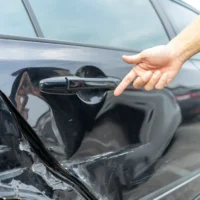 Being injured in a car accident is difficult enough without discovering that the other driver has fled the scene. A hit-and-run can leave victims without the information they need to pursue an insurance claim, identify the responsible driver, or determine how their medical expenses and other losses will be covered. However, New York law provides several potential avenues for seeking compensation, even when the at-fault driver cannot immediately be identified.
At Dupée & Monroe, P.C., our Goshen car accident attorneys help injured people in Orange County and throughout the Hudson Valley understand their legal options after serious motor vehicle collisions. Depending on the circumstances, an injured person might be able to locate and pursue the fleeing driver, make an uninsured motorist (UM) claim through an applicable auto insurance policy, or seek benefits through New York’s Motor Vehicle Accident Indemnification Corporation (MVAIC). Understanding these options and acting quickly can make a significant difference.
What Should You Do Immediately After a Hit-and-Run Accident in New York?
The first priority after a hit-and-run is safety and medical attention. Call 911 if anyone is injured or the scene presents an immediate danger. Even if injuries initially seem minor, seek medical evaluation. Some conditions, including concussions, internal injuries, and soft-tissue damage, might not produce obvious symptoms immediately.
Report the collision to the police as soon as possible. Provide as much information as you can about the fleeing vehicle, including its make, model, color, approximate year, license plate number, direction of travel, and any distinctive features. If you cannot identify the vehicle, describe what you remember. Even partial information can help investigators narrow their search.
Look for witnesses who saw the collision or the fleeing vehicle. Ask for their names and contact information, and determine whether anyone recorded the incident. Photographs of the scene, vehicle damage, skid marks, debris, traffic signals, and nearby businesses can also help establish what happened.
If you were driving a vehicle, preserve any available dashcam footage. Nearby businesses, residences, parking facilities, and traffic cameras might have captured the collision or the fleeing vehicle’s movements. Surveillance recordings are not necessarily retained indefinitely, so prompt efforts to identify and preserve them are important.
New York Vehicle and Traffic Law § 600 requires drivers involved in qualifying collisions to stop and provide identifying information. When a collision results in personal injury, the driver must stop and provide the required information to the injured person, if practical, and to a police officer. If no officer is present, the driver must report the incident as soon as physically able. Leaving without complying with these requirements can result in criminal consequences. However, the criminal investigation and an injured person’s civil claim are separate matters.
How Can You Find a Driver Who Fled the Scene?
Identifying a hit-and-run driver can be challenging, but a lack of license plate information does not necessarily mean the driver cannot be found. Police investigations, witness accounts, video footage, and physical evidence can all provide leads.
Investigators may review surveillance footage from nearby businesses, homes, intersections, parking lots, and transportation facilities. Even when a camera does not capture the collision itself, footage might show a damaged vehicle leaving the area shortly afterward. License plate readers and other available traffic-monitoring systems may also provide useful information, depending on their location and accessibility.
Witnesses can be particularly valuable. Someone might have noticed the vehicle’s license plate, observed the driver’s appearance, or seen the vehicle enter a nearby parking lot or residential area. A witness who did not actually see the impact might still provide information that helps establish the vehicle’s identity.
Physical evidence can also help. Paint transfer, broken vehicle parts, debris, and the location and nature of the damage can provide clues about the type of vehicle involved. In more complicated cases, an accident reconstruction expert can analyze the available evidence and help determine how the collision occurred.
An injured person does not have to conduct a criminal investigation independently. However, providing detailed information to law enforcement, preserving available evidence, and following up on potential leads can help. An attorney can also investigate the circumstances, identify potential witnesses, seek available recordings, and communicate with insurance companies about the claim.
If the driver is identified, the injured person may be able to pursue a personal injury claim against that driver. Depending on the circumstances, the vehicle owner or another party legally responsible for the driver’s conduct could also be liable. The driver’s insurance coverage will then become an important part of determining how compensation can be recovered.
Can You File an Insurance Claim After a Hit-and-Run?
When the driver responsible for a collision cannot be identified, an injured person may be able to seek compensation through their uninsured motorist (UM) coverage. UM coverage is designed to protect insured people who suffer bodily injuries caused by uninsured drivers and, subject to applicable requirements, unidentified hit-and-run drivers.
New York auto insurance policies include uninsured motorist protection. Depending on the policy and the circumstances, coverage can extend beyond the person who purchased the policy. For example, an injured person might qualify for coverage under the policy covering the vehicle they occupied or, in some circumstances, a policy maintained by a relative who lives in the same household.
An injured pedestrian struck by a hit-and-run driver might also have access to UM coverage through an applicable household auto policy. The correct policy depends on the person’s circumstances, residency, and relationship to the insured.
There are important requirements for hit-and-run UM claims. New York Insurance Law § 3420 requires physical contact between the unidentified vehicle and the injured person or the vehicle the injured person occupied. This requirement is intended to prevent fraudulent claims involving unidentified drivers. If a vehicle forces another driver off the road without making contact, for example, the injured person could encounter a significant coverage obstacle.
The physical contact requirement does not eliminate every possible claim involving a collision without direct impact, but it makes the specific facts and applicable policy language especially important. An attorney can review the circumstances and determine whether another coverage option might be available.
The injured person must also comply with the policy’s reporting and cooperation requirements. These commonly include promptly notifying the police and the insurance company, providing information about the collision, and cooperating with the insurer’s investigation. Failure to follow the policy’s procedures can jeopardize coverage.
UM claims generally provide compensation for bodily injury rather than damage to the injured person’s vehicle. Property damage coverage must be evaluated separately under the applicable insurance policy.
What Is MVAIC, and When Can It Help After a Hit-and-Run?
New York created the Motor Vehicle Accident Indemnification Corporation, commonly known as MVAIC, to provide a potential source of compensation for certain people injured by uninsured or unidentified motor vehicles. It can be particularly important for injured pedestrians, cyclists, and other people who do not have access to an applicable auto insurance policy.
A person might qualify for MVAIC benefits if they are a New York resident, were injured in a qualifying motor vehicle collision in New York, and do not have the applicable insurance protection available through their own or a household member’s policy. MVAIC eligibility is governed by Insurance Law Article 52, and not everyone injured in a hit-and-run will qualify.
For example, an uninsured pedestrian struck by a vehicle that flees the scene might be eligible to pursue MVAIC benefits if the statutory requirements are met. A person who owns an uninsured vehicle or falls within another statutory exclusion could face different eligibility issues. The details of the person’s insurance status, household relationships, and role in the collision matter.
MVAIC can provide two distinct types of protection. First, it can provide no-fault benefits for qualifying basic economic losses, such as covered medical expenses and certain lost earnings. Second, it can provide a potential avenue for pursuing compensation for bodily injury caused by an unidentified or uninsured motorist, subject to the statutory requirements.
A hit-and-run bodily injury claim through MVAIC has particularly strict requirements. Under Insurance Law § 5208, the accident must be reported to a police, peace, or judicial officer within 24 hours. The injured person must also file an affidavit with MVAIC within 90 days of the accident, identifying the claim and providing supporting facts. The statute recognizes an exception when reporting within 24 hours was not reasonably possible, provided the report is made as soon as reasonably possible.
Additionally, Insurance Law § 5217 requires physical contact between the unidentified vehicle and the injured person or the vehicle they occupied. Under § 5218, a person seeking to pursue a hit-and-run claim against MVAIC must apply to a court for permission to bring the action. The court must be satisfied that the person qualifies and that reasonable efforts to identify the vehicle, owner, and driver have been unsuccessful.
These requirements make early action especially important. Waiting to report the collision or submit the required paperwork can jeopardize an otherwise valid claim.
What Compensation Can You Recover?
The compensation available after a hit-and-run depends on the insurance coverage involved, the severity of the injuries, and whether the responsible driver can be identified.
No-fault benefits through an applicable insurer or MVAIC can pay qualifying medical expenses and a portion of lost earnings, subject to statutory limits and eligibility requirements. These benefits are not the same as compensation for pain and suffering.
A UM claim or qualifying bodily injury claim through MVAIC can provide compensation for losses beyond basic no-fault benefits. Depending on the applicable coverage and legal requirements, recoverable damages can include medical expenses not otherwise covered, lost income, reduced future earning capacity, and pain and suffering.
New York’s no-fault system limits recovery for non-economic losses, such as pain and suffering, unless the injured person establishes a qualifying serious injury. The serious-injury threshold under Insurance Law § 5102(d) includes specific categories, such as fractures, permanent loss of use of a body organ or member, significant limitations, and certain other serious conditions. Whether an injury meets the threshold depends on the medical evidence and the statutory definition.
MVAIC claims also have limitations that differ from ordinary claims against an identified, insured driver. In particular, MVAIC does not provide a general vehicle property damage recovery program for hit-and-run victims. Injured people should therefore examine available collision coverage or other applicable policies for vehicle repairs and related property losses.
Why Legal Guidance Matters After a Hit-and-Run
Hit-and-run cases can involve overlapping investigations, insurance policies, and statutory deadlines. A person might have a potential UM claim but also need to determine whether MVAIC coverage is available. The responsible driver might later be identified, changing the available legal options. An insurer might dispute whether physical contact occurred or whether the injured person satisfied the policy’s notice requirements.
An attorney can help investigate the collision, identify possible insurance coverage, preserve evidence, and determine which claims should be pursued. Legal counsel can also help address disputes over MVAIC eligibility, the physical contact requirement, serious injury, and the value of the injured person’s losses.
The most important point is not to assume that a hit-and-run leaves you without options. New York law provides potential avenues for compensation, but each has requirements that must be satisfied. Prompt investigation and careful attention to deadlines can help protect your ability to pursue a claim.
Frequently Asked Questions About New York Hit-and-Run Claims
What should I do if the driver who hit me leaves the scene in New York?
Call 911, seek medical attention, and report the collision to the police as soon as possible. Record any details about the vehicle, gather witness information, photograph the scene, and notify your insurance company promptly.
Can I receive compensation if the hit-and-run driver is never found?
Possibly. You might qualify for uninsured motorist benefits under an applicable auto insurance policy or compensation through MVAIC. Eligibility depends on your insurance status, the circumstances of the collision, and compliance with specific reporting and filing requirements.
Does uninsured motorist coverage apply to hit-and-run accidents in New York?
Yes, qualifying hit-and-run injuries can be covered by UM insurance. However, the law requires physical contact between the unidentified vehicle and the injured person or the vehicle they occupied, along with compliance with policy requirements.
How long do I have to file an MVAIC hit-and-run claim?
The collision must be reported to the proper authorities within 24 hours, and an affidavit must be filed with MVAIC within 90 days. Exceptions may apply when timely reporting was not reasonably possible, but the statutory requirements should be addressed immediately.
Can a pedestrian file an MVAIC claim after a hit-and-run?
Yes, an injured pedestrian may qualify if the statutory residency, insurance, reporting, and other eligibility requirements are met. Physical contact with the unidentified vehicle is generally required for a hit-and-run bodily injury claim.
Contact Dupée & Monroe, P.C. After a Hit-and-Run in Orange County or the Hudson Valley
Being injured by a driver who flees the scene can create serious financial and legal challenges. You should not have to navigate an investigation, insurance disputes, and strict filing deadlines without understanding your options. Whether the driver can be identified or you need to pursue compensation through uninsured motorist coverage or MVAIC, taking the right steps early can help protect your claim.
Dupée & Monroe, P.C. represents people injured in motor vehicle collisions throughout Orange County and the mid-Hudson Valley. If you or a family member has been injured in a hit-and-run accident, contact Dupée & Monroe, P.C. to discuss what happened, explore the available sources of compensation, and learn how we can help you pursue the recovery you deserve.
